
 Tiếng Việt
Over the past decade, pickleball has rapidly evolved from a niche recreational activity into one of the most widely played and fastest-growing sports across continents. Once a backyard pastime in the United States, pickleball has now gained global traction, with vibrant communities thriving in North America, Europe, Australia, and increasingly, in Asia—Vietnam included.
As a hybrid of tennis, badminton, and table tennis, pickleball combines the tactical depth of racket sports with a more accessible, lower-impact playing style. This unique mix has propelled pickleball into the spotlight as a sport that is not only inclusive but also physically and mentally engaging across age groups, skill levels, and physical conditions.
Whether you are entirely new to racket sports or transitioning from another discipline, this guide offers a structured and comprehensive overview to help you understand the core mechanics of the game, select the appropriate equipment, develop foundational skills, and seamlessly integrate into the rapidly growing pickleball community in Vietnam and beyond.
Understanding the Origins and Rise of Pickleball

Pickleball was invented in 1965 on Bainbridge Island, Washington, USA, by a group of families seeking a game that children and adults could enjoy together. Its early design focused on inclusivity, ease of play, and low entry cost—characteristics that continue to define the sport today.
What started as a backyard experiment soon gained formal recognition, leading to the development of standardized rules, professional tournaments, and global federations. The sport is now sanctioned by organizations such as the International Federation of Pickleball (IFP) and has been integrated into multi-sport events across various nations.
The core appeal of pickleball lies in its balance: it is easy to learn, but difficult to master. Newcomers can enjoy their first rally within minutes, while elite athletes can dedicate years to refining strategic nuances and high-performance techniques. Importantly, the sport’s low-impact nature makes it especially suitable for aging populations, rehabilitation patients, and beginners with no prior experience in racket sports.
Rules of Play: Structure, Scoring, and Key Regulations

Pickleball is played in singles (1v1) or doubles (2v2) formats. Each game begins with an underhand serve delivered diagonally across the court. The ball must bounce once on each side before a volley may be executed—this is known as the “Two-Bounce Rule”, a unique feature that slows down the game and levels the playing field.
Scoring System
-
Games are typically played to 11 points, with a minimum 2-point margin to win.
-
Only the serving side may score a point.
-
In doubles, each player on the serving team gets a turn to serve before the serve switches sides, except at the start of the game.
While the rules may appear detailed, they are intuitive with experience. After several games, players begin to anticipate patterns, develop strategic shot placement, and integrate more advanced tactics into their gameplay.
Pickleball Fundamentals: Court, Equipment, and Game Structure

Court Dimensions and Layout
A standard pickleball court measures 20 feet (6.1 meters) in width and 44 feet (13.4 meters) in length, which is significantly smaller than a tennis court. The court is divided by a net at 36 inches high at the sidelines and 34 inches in the center.
One of the most defining elements is the Non-Volley Zone, colloquially known as the “kitchen.” This 7-foot zone on either side of the net prohibits players from volleying (hitting the ball in the air) while standing inside it—forcing players to approach net play with caution and control.
Equipment Essentials
-
Paddle: Pickleball paddles are smaller than tennis racquets and constructed from wood, composite, or graphite. Beginners are encouraged to start with mid-weight paddles (7–8.1 ounces or ~200–230g) to strike a balance between control and power. An ergonomic, cushioned grip reduces fatigue and enhances maneuverability.
-
Ball: The game uses a polymer ball with 26 to 40 holes. There are two main types: indoor balls, which are lighter and softer with larger holes, and outdoor balls, which are denser, with smaller holes designed to resist wind interference.
-
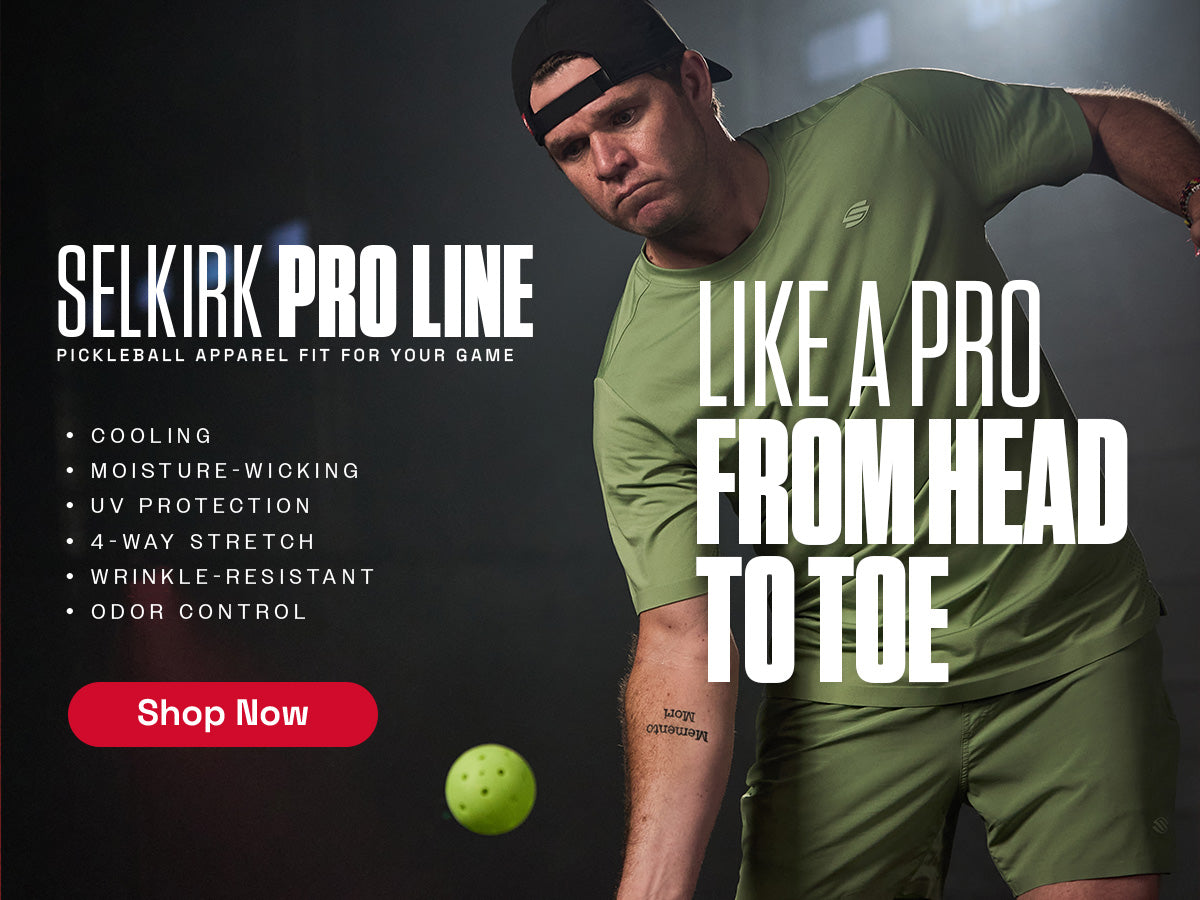
Footwear & Apparel: Non-marking court shoes with flat soles are crucial for traction and lateral support. Moisture-wicking, breathable clothing is recommended for optimal comfort during play.
Step-by-Step Skill Development for New Players

Transitioning from curiosity to competency in pickleball involves mastering a few key areas:
1. Grip and Stance
Use the “continental grip”, akin to a handshake, which allows fluid transitions between forehand and backhand strokes. Maintain a low center of gravity, with knees slightly bent and paddle held at waist height for optimal reaction time.
2. Serving and Returning
Focus on consistent, underhand serves that land deep in the opponent’s court. When returning, aim for a high, arching shot to allow time for court positioning.
3. Shot Selection
-
Groundstrokes: Hit after the ball bounces. Prioritize control over power in the early stages.
-
Volleys: Performed before the ball bounces—but only outside the kitchen. Learn to “soft volley” or “dink” to neutralize aggressive opponents.
4. Footwork and Court Movement
Avoid unnecessary running. Instead, use compact, lateral steps and anticipate shot direction. Efficient movement not only conserves energy but reduces the risk of injury.
5. Doubles Strategy
When playing doubles, court communication is essential. Coordinate court coverage, avoid overlapping zones, and use verbal cues to avoid confusion during rallies.
Integrating into the Pickleball Community in Vietnam

Pickleball in Vietnam is in its nascent stage, but its growth trajectory is strong. Major urban centers like Ho Chi Minh City, Hanoi, and Da Nang have already established pickleball courts and local clubs. These communities host weekly events, open sessions, and beginner-friendly classes to help new players onboard quickly.
In addition to public sports centers and modified badminton courts, a number of organizations—such as Thunder Sport—are partnering with local municipalities to construct dedicated pickleball courts nationwide. These initiatives aim to democratize access and accelerate community development, particularly among youth and retirees seeking a new physical activity.
Health and Wellness Benefits of Pickleball

Pickleball offers a well-rounded approach to fitness and mental well-being. Its low-impact, high-engagement format allows players to burn between 300–500 calories per hour, without the strain commonly associated with high-intensity training.
Physical Benefits:
-
Enhances cardiovascular endurance
-
Improves agility, coordination, and reflexes
-
Builds muscular strength and joint flexibility
-
Reduces risk of chronic conditions such as diabetes, osteoporosis, and hypertension
Psychological and Social Benefits:
Pickleball is inherently social. Each session provides an opportunity to connect, laugh, and collaborate—making it not just a workout, but a form of social therapy. Regular play contributes to improved mood, reduced stress levels, and a greater sense of community belonging.
Important Precautions and Best Practices for Beginners
-
Start Gradually: Avoid playing at full intensity initially. Allow your body time to adapt to new movements.
-
Warm-Up & Cool-Down: Proper stretching and warm-up routines are non-negotiable for injury prevention.
-
Use Appropriate Gear: Prioritize comfort and fit over branding. Select gear that supports your body mechanics.
-
Invest in Coaching: Consider attending beginner clinics or hiring a certified instructor to fast-track your progress.
-
Join a Local Club: Community engagement accelerates learning and boosts enjoyment.
Thunder Sport currently offers starter kits tailored for new players, featuring competition-grade paddles and regulation balls at accessible price points. These packages are designed in accordance with IFP standards and aim to provide a smooth entry into the sport.
More Than Just a Game – Pickleball Is a Lifestyle
Pickleball represents a shift toward sustainable, inclusive, and community-oriented fitness. Whether your goal is light-hearted weekend recreation or long-term athletic development, this sport offers a rewarding pathway toward a healthier and more connected life.
Thunder Sport is proud to lead the introduction of pickleball in Vietnam by delivering world-class equipment, expert-led coaching, and infrastructure support that promotes active living and social engagement.
Begin your pickleball journey today—for a healthier, happier, and more dynamic you.
 Hotline: 0888 853 676 Website: https://thundersport.vn/ Facebook: Thunder Pickleball Instagram: thunder.pickleball